

+917838994961

Currently it only shows your basic business info. Start adding relevant business details such as description, images and products or services to gain your customers attention by using Boost 360 android app / iOS App / web portal.

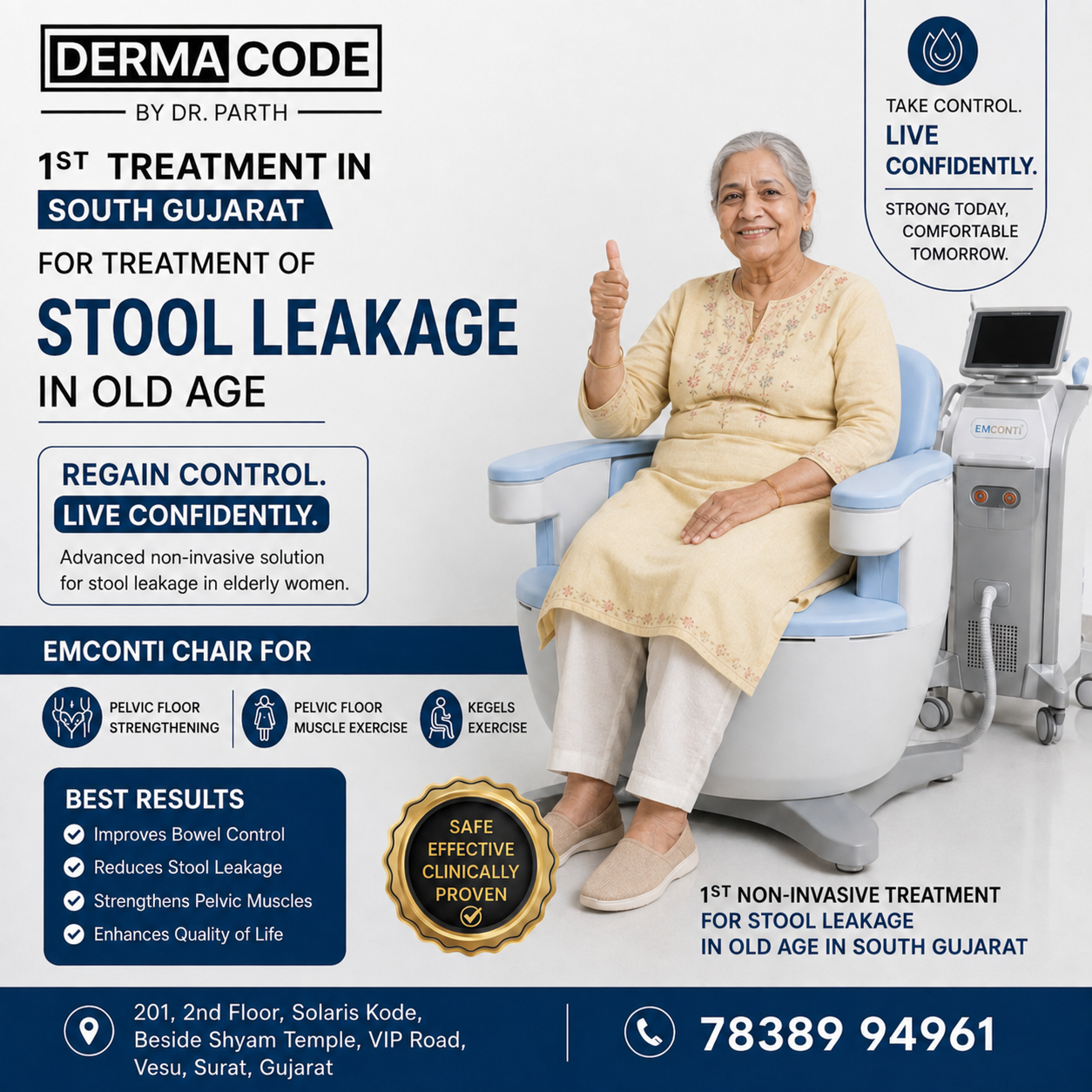
Understanding Fecal Incontinence and Non-Invasive Pelvic Floor Rehabilitation Stool leakage, clinically known as fecal or bowel incontinence, refers to the involuntary loss of liquid or solid stool, mucus, or gas. Despite being a relatively common condition affecting millions of men and women worldwide, it remains one of the most underreported and emotionally distressing medical issues due to persistent social stigma. The mechanism of normal bowel control relies on a complex coordination between the pelvic floor musculature, the internal and external anal sphincters, rectum elasticity, and neural signaling. When any component of this neuromuscular network weakens or sustains damage, voluntary bowel containment becomes compromised. Causes and Impact of Stool Leakage The underlying causes of stool leakage are diverse and often multifactorial: Pelvic Floor Muscle Weakness: Age-related muscle atrophy, prolonged strain from chronic constipation, or sedentary lifestyles can weaken the pelvic sling supporting the lower rectum. Obstetric Trauma: Vaginal childbirth, particularly involving prolonged labor, forceps delivery, or episiotomies, can stretch or tear the pelvic muscles and compromise the external anal sphincter. Surgical and Nerve Injuries: Prior anorectal, prostate, or pelvic surgeries, as well as neurological conditions (such as diabetes, multiple sclerosis, or spinal injuries), can impair rectal sensation and muscle reflexes. Chronic Bowel Irregularities: Persistent diarrhea or irritable bowel syndrome (IBS) frequently overwhelms weakened sphincter muscles, leading to urge-related leakage. Beyond the physical discomfort, which includes chronic perianal skin irritation and hygiene challenges, stool leakage takes a heavy psychological toll. Individuals frequently experience severe anxiety, social withdrawal, loss of self-confidence, and a constant fear of public accidents. The Limitations of Traditional Approaches First-line interventions typically involve dietary adjustments, bowel retraining, and traditional pelvic floor muscle training (Kegel exercises). While Kegels are conceptually sound, many patients struggle to isolate the correct deep pelvic muscles or lack the muscular endurance to perform the thousands of contractions required to rebuild sphincter tone. At the other end of the spectrum, surgical interventions carry recovery downtime, discomfort, and variable success rates. This therapeutic gap has highlighted the need for non-invasive, high-efficiency muscular rehabilitation technologies. Advanced Treatment: The EM-Conti Chair at Dermacode To address pelvic floor weakness without surgery or invasive probes, modern clinical practices like Dermacode utilize advanced electromagnetic therapy through the EM-Conti Chair. The EM-Conti system utilizes High-Intensity Focused Electromagnetic (HIFEM) technology. When a patient sits on the specialized chair, focused electromagnetic energy penetrates deep into the pelvic basin, depolarizing motor neurons and stimulating the entire pelvic floor muscle group, including the puborectalis and external anal sphincter. +-------------------------------------------------------------------------+ | EM-CONTI CHAIR AT DERMACODE | +------------------------------------+------------------------------------+ | Feature | Clinical Benefit | +------------------------------------+------------------------------------+ | Non-Invasive & Fully Clothed | Maximum comfort and dignity | | Supramaximal Contractions | ~11, 000+ contractions per session | | Deep Neuromuscular Stimulation | Restores sphincter muscle tone | | Zero Downtime | Immediate return to daily routine | +------------------------------------+------------------------------------+ How the Technology Rebuilds Continence During a single standard session (typically lasting 25 to 30 minutes), the EM-Conti chair generates thousands of supramaximal contractions—levels of muscle tension that are physically impossible to achieve through voluntary exercise alone. Muscle Hypertrophy and Density: The intense contractions trigger a deep cellular response in the muscle fibers, promoting protein synthesis, muscle thickening, and increased resting tone in the anal sphincter and pelvic sling. Neuromuscular Re-education: The rapid pulsed stimulation helps re-establish nerve-muscle communication, improving rectal sensitivity, reflex control, and voluntary muscle coordination when abdominal pressure rises. Enhanced Structural Support: Rebuilding the pelvic diaphragm restores the anorectal angle, providing a stronger mechanical barrier against involuntary leakage. The Patient Experience at Dermacode At Dermacode, the EM-Conti protocol is structured around patient comfort, privacy, and clinical efficacy: Dignified Procedure: Patients remain completely clothed throughout the entire session. There are no probes, disposable garments, or invasive examinations during the active treatment. Comfortable Sensation: The procedure produces a rhythmic tingling and intense pelvic muscle contraction sensation, which is well-tolerated and free of sharp pain. Walk-In, Walk-Out Convenience: Because there is no anesthesia, sedation, or tissue trauma, patients can immediately resume work, exercise, and routine daily activities. Treatment Course: A standard protocol typically consists of 6 to 8 sessions scheduled twice weekly, with many individuals noticing significant improvements in bowel control, urgency reduction, and overall confidence within a few weeks of starting therapy. Fecal incontinence is a treatable medical condition rather than an unavoidable consequence of aging or childbirth. By integrating advanced HIFEM technology via the EM-Conti chair, Dermacode offers an effective, non-surgical path to strengthen the pelvic foundation and regain control over daily life.


