
+917838994961

Currently it only shows your basic business info. Start adding relevant business details such as description, images and products or services to gain your customers attention by using Boost 360 android app / iOS App / web portal.

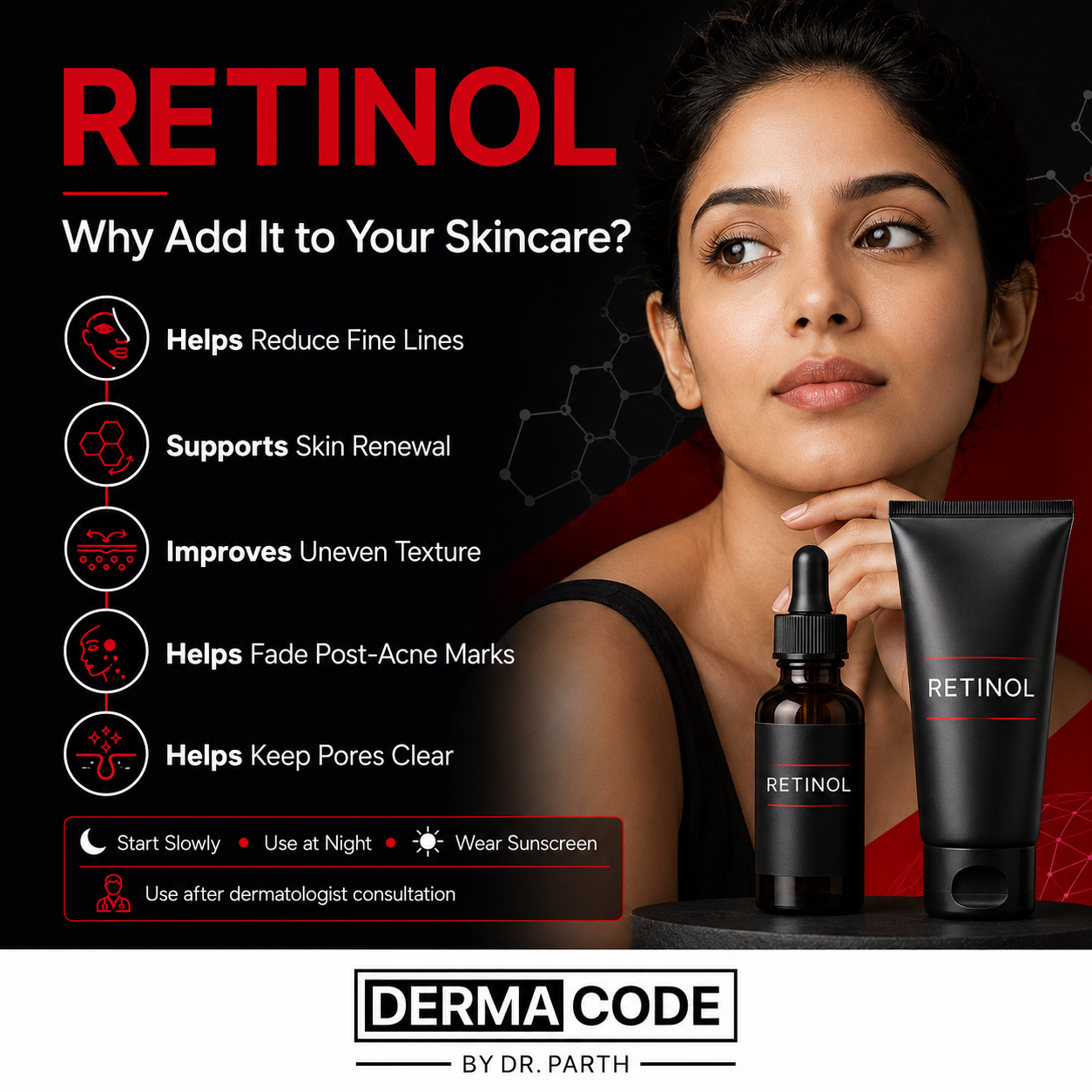
The Transformative Power of Retinol: Cellular Rejuvenation, Collagen Synthesis, and Clinical Efficacy Retinol, a biologically active derivative of Vitamin A within the overarching retinoid family, remains the gold standard ingredient in both clinical dermatology and advanced cosmetic formulations due to its unmatched ability to rewire cellular function from within the deeper layers of the skin. Unlike superficial cosmetic hydrators or physical exfoliants that merely manipulate the stratum corneum, topical retinol penetrates deep into the dermis where it undergoes an enzymatic conversion into retinaldehyde and ultimately into active retinoic acid. Once converted, retinoic acid binds directly to nuclear Retinoic Acid Receptors (RAR) and Retinoid X Receptors (RXR), serving as a powerful cellular messenger that instructs skin cells to behave in a healthier, more youthful manner. The most celebrated dermatological benefit of retinol is its profound capacity to stimulate neo-collagenesis while concurrently inhibiting the enzymatic breakdown of the existing structural dermal scaffold. As intrinsic and extrinsic aging progress, UV exposure and environmental free radicals trigger matrix metalloproteinases (MMPs)—enzymes that degrade structural Type I and Type III collagen as well as elastin fibers, resulting in tissue laxity, fine lines, and deep wrinkles. Topical retinol application directly downregulates these destructive MMP enzymes while systematically upregulating fibroblasts, the master cells responsible for synthesizing fresh collagen bundles, elastin fibers, and extracellular ground substance like hyaluronic acid. Over consistent use, this dermal remodeling dramatically improves skin density, restores rebound resilience, softens dynamic crow's feet and smile lines, and provides a subtle, non-invasive tightening effect across the entire facial architecture. Beyond its powerful anti-aging capabilities, retinol serves as an indispensable clinical asset in regulating epidermal cellular turnover and correcting chronic acne, congestion, and irregular textural scarring. Normal skin experiences a natural desquamation cycle lasting approximately twenty-eight days, but with advancing age, hormonal shifts, and sluggish cell metabolism, dead corneocytes accumulate on the skin's surface, trapping sebum within pilosebaceous units and leading to microcomedones, open blackheads, closed whiteheads, and inflamed pustules. Retinol acts as a potent normalizer of follicular keratinization; by accelerating epidermal cell division at the basal layer, it prevents dead skin cells from clumping together and clogging pore openings. This continuous, micro-level biological exfoliation purges deep-seated microcomedones, minimizes the appearance of enlarged, stretched pores, and visibly smooths rough, uneven 'orange peel' skin texture. Furthermore, this accelerated cellular turnover plays a crucial therapeutic role in targeting hyperpigmentation, stubborn melasma, sun spots, and post-inflammatory hyperpigmentation (PIH) left behind by resolved acne breakouts. Melanin granules that have been deposited into keratinocytes are rapidly shed toward the surface as fresh, unpigmented cells migrate upward from the deeper strata, resulting in a luminous, cohesive skin tone and the sought-after 'glass skin' clarity. By optimizing dermal thickness, strengthening the skin’s baseline defenses against oxidative photoaging, and delivering comprehensive regenerative benefits to both youthful acne-prone complexions and mature aging skin, medical-grade retinol products stand out as the ultimate multi-tasking powerhouse in modern skincare science.


