
+917838994961

Currently it only shows your basic business info. Start adding relevant business details such as description, images and products or services to gain your customers attention by using Boost 360 android app / iOS App / web portal.

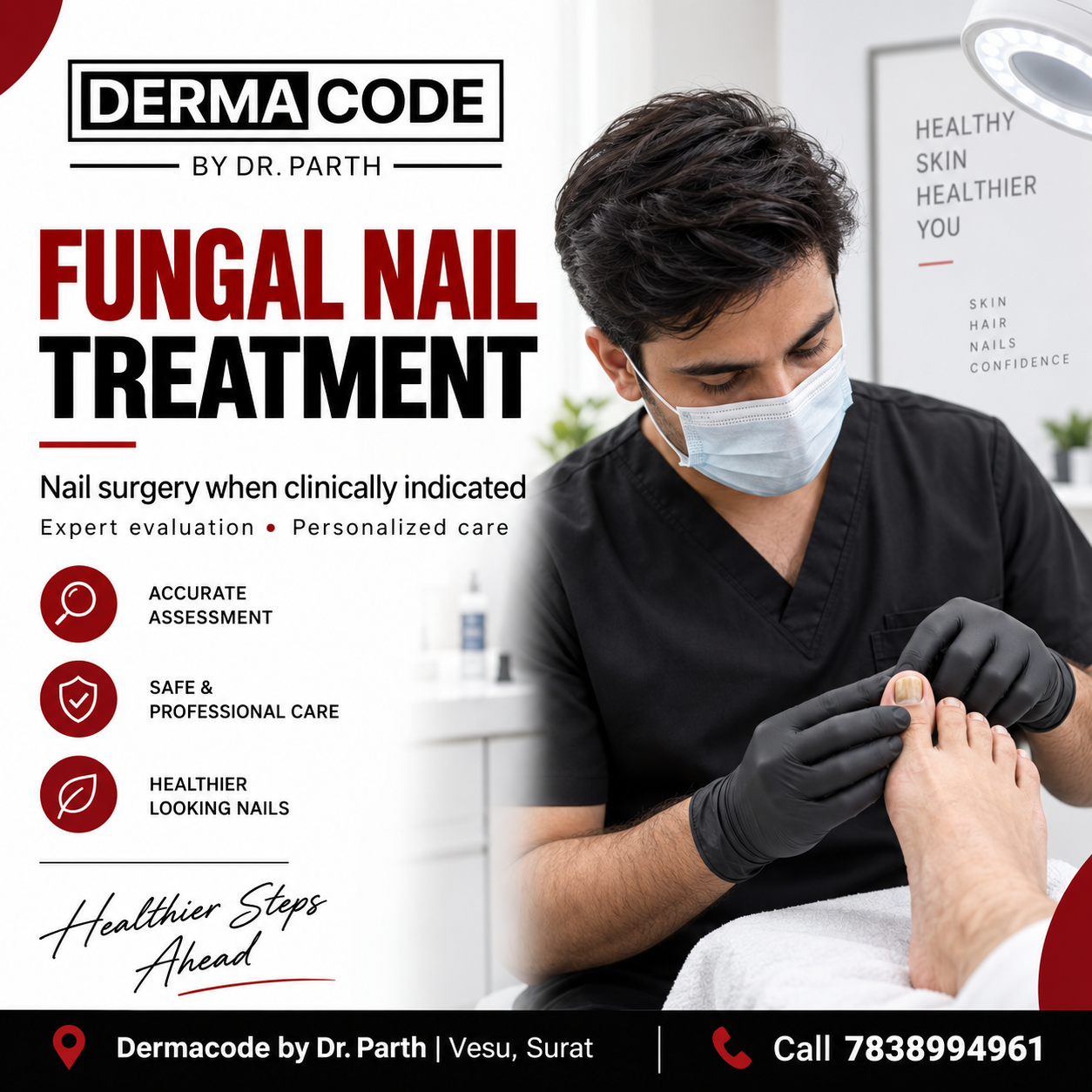
Clinical Management of Onychomycosis: Pathophysiological Triggers and Surgical Intervention Onychomycosis, commonly known as fungal nail infection, is a persistent and progressive dermatological disorder that affects the nail bed, nail plate, and periungual tissue, leading to marked discoloration, hyperkeratosis, brittleness, and eventual onycholysis (detachment of the nail plate). The primary biological culprits driving this pathology are dermatophytes—most predominantly Trichophyton rubrum and Trichophyton mentagrophytes—which synthesize keratinases, specialized proteolytic enzymes capable of digesting and metabolizing the dense, hard keratin that forms the protective architecture of the human nail apparatus. Beyond dermatophytes, non-dermatophyte molds (Scopulariopsis, Fusarium, Aspergillus) and yeasts, particularly Candida albicans, frequently act as primary pathogens or opportunistic secondary invaders. The infection typically initiates when microscopic fungal spores penetrate small micro-traumas or tears in the hyponychium or lateral nail folds, establishing a stubborn colony within the deep subungual space. This colonization is heavily accelerated by warm, occlusive, and humid microclimates—such as the prolonged wearing of non-breathable footwear, frequent exposure of hands and feet to damp environments, poor peripheral microcirculation, trauma from athletic activities, and underlying metabolic or immune conditions like diabetes mellitus and peripheral arterial disease. Because the thick, compact, avascular keratin plate creates an impermeable biological barrier that prevents topical antifungals from penetrating deep into the underlying infected nail bed, advanced or recalcitrant onychomycosis frequently fails to resolve through standard lacquers and oral systemic therapy alone, necessitating targeted dermatosurgical solutions. When extensive dystrophic onychomycosis causes severe subungual hyperkeratosis, chronic secondary bacterial paronychia, severe physical pain during ambulation, or fails to respond to prolonged systemic antifungal protocols, surgical intervention becomes the definitive therapeutic approach to eliminate the infected reservoir. Surgical management of nail fungus generally encompasses two primary modalities: chemical avulsion and partial or total mechanical nail plate avulsion (matricectomy). Chemical avulsion is a non-invasive, conservative procedure utilizing high-concentration topical compounds—such as 40% urea ointments applied under an occlusive dressing over several consecutive days—which selectively softens and dissolves the dystrophic, keratin-rich diseased nail plate, allowing it to be painlessly scraped and peeled away without disrupting the healthy surrounding skin. In contrast, mechanical nail avulsion is a precise, minor dermatosurgical procedure conducted under local digital nerve block anesthesia to ensure complete procedural comfort. During this intervention, specialized surgical instruments, such as an elevator and nail-splitting forceps, are gently inserted beneath the proximal and lateral nail folds to separate the nail plate from the underlying nail bed and surrounding cuticles. The surgeon then carefully extracts the diseased plate—either partially to remove an isolated lateral wedge or totally in cases of complete nail dystrophia—while meticulously debriding the necrotic, infected subungual keratin mass and clearing the nail bed. In chronic, recurrent cases where the infection has invaded the germinative nail matrix, surgical or chemical matricectomy utilizing liquefied phenol (88%) or trichloroacetic acid is selectively applied to ablate the infected matrix horns, permanently preventing the regrowth of deformed nail segments. By eradicating the dense fungal biofilm and removing the diseased keratin shield, surgical intervention immediately relieves mechanical pressure, eliminates the infectious reservoir, and allows topical antifungals and healthy, fresh tissue to regenerate across an infection-free nail bed.


